The 20% export duty on rice bran has been lifted by the government, find out the reason behind the surge in sugar prices.
The government has removed the export duty on rice bran. Earlier, there was a 20% export duty on it, which has now been removed by the government. The export duty on rice bran removed by the government will be effective from April 11, 2023. However, the impact of removing the export duty will not be on the export of Basmati and Parboiled rice.
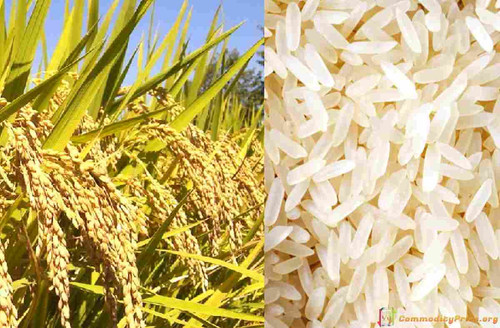
The central government has removed the export duty on a specific type of rice. Previously, there was a 20% export duty on rice bran, which has now been removed by the government. The removal of export duty on rice bran will come into effect from April 11, 2023. However, the removal of export duty will not have an effect on the export of Basmati and Parboiled rice.
In September 2022, the central government had imposed a 20% export duty on non-basmati rice. This export duty was implemented to reduce the prices of rice and ensure availability of stock in the domestic market. The Ministry of Finance had stated that the change in India's rice export regulations helped in controlling domestic prices without reducing the availability of exports.
It is noteworthy that India exported 2.12 crore tons of rice in the financial year 2021-22, including 39.4 lakh tons of basmati rice. According to government figures, the export of non-basmati rice during this period was worth 6.11 billion dollars. In the year 2021-22, Non-basmati rice india exported to more than 150 countries.
Additionally, rice husk is used as biofuel, animal feed, for building construction, as fertilizer, to make paper products, in the production of biodegradable plastics, and as a filter.
The gain costs of sugar:
Sugar prices in the international market have reached an 11-year high, with Chinese sugar reaching up to $24.45, which is similar to the prices in January 2012 when they peaked at $24.50. In the past three weeks, the price of sugar has risen by more than 16%, and it has increased by nearly 10% in April. The increase in sugar prices is due to a decrease in supply and an increase in demand. The announcement by OPEC+ has led to a surge in ethanol prices, and there has been a rise in sugar prices due to a decrease in sugar production in Brazil. Meanwhile, there are concerns about a decline in sugar production in India. According to the AISTA, sugar production in China is estimated to be 3.35 crore tonnes this year.
Question: india sugar price rising price why ?
Sugar prices in India have been on the rise in recent months, leading to concerns among consumers and policymakers alike. The primary reason for this surge in prices is a combination of supply-side factors such as a decline in sugar production and an increase in global sugar prices. At the same time, a rise in demand, especially during the festival season, has also contributed to the price hike.
One of the significant factors behind the increase in sugar prices is the decline in sugar production in the country. The sugar production in India for the current year is expected to be around 30.5 million tonnes, which is lower than the previous year's production of 33.1 million tonnes. The drop in production can be attributed to a combination of factors such as a decline in sugarcane cultivation due to unfavorable weather conditions, the diversion of sugarcane to other uses such as ethanol production, and reduced yield per hectare.
Another factor that has led to the increase in sugar prices is the surge in global sugar prices. This rise can be attributed to a reduction in production in other sugar-producing countries such as Brazil, Thailand, and Europe, and increased demand from China. The increase in global sugar prices has made it more profitable for Indian sugar mills to export sugar, leading to a decrease in the domestic supply and a consequent rise in prices.
Finally, an increase in demand for sugar during the festival season has also contributed to the rise in prices. During this time, demand for sweets and other sugar-based products increases significantly, leading to a surge in demand for sugar.
To tackle the issue of rising sugar prices, the Indian government has taken several steps such as allowing the import of 500,000 tonnes of raw sugar at zero duty, imposing stock limits on sugar mills, and providing financial assistance to sugar mills for the export of sugar. These measures are expected to ease the supply-side constraints and stabilize sugar prices in the coming months.
Comments
Post a Comment